
12 Ways Mai Danube Guesthouse Supports and Practices Regenerative Tourism in the Danube Gorge
12 Ways Mai Danube Guesthouse Supports and Practices Regenerative Tourism in the Danube Gorge
Protecting the natural area of the Danube Gorge requires coherent action through individual behavior, responsible tourism, and local management.
Our region is home to rich biodiversity — including rare or unique species of flora and fauna, rocky habitats, and sub-Mediterranean forests — all of which are extremely valuable natural treasures that we all enjoy. It is our responsibility to appreciate and protect these natural assets and to ensure that human impact is carefully managed and limited.
From the very beginning, Mai Danube Guesthouse has built a responsible approach and attitude toward the environment and the natural resources our area provides. Starting with environmentally conscious behavior both as residents and as local entrepreneurs, we continue to promote these values at an organizational level through the Discover the Danube Boilers Association (NGO), of which we are members, as well as directly through constant communication and education of our guests — tourists from Romania and abroad who come to Mai Danube to discover the Danube Gorge.
As key principles in the operation of Mai Danube Guesthouse, our focus is placed on reducing environmental impact and actively conserving nature.
Being a guesthouse owner therefore involves a two-way approach: sustainable tourism + education.
Here are some of our proactive actions:
1. Waste Management
- Selective waste collection (plastic, glass, metal, biodegradable waste)
- Composting organic waste
- Separate waste bins for tourists
- Reducing plastic consumption (dispensers instead of single-use packaging)
2. Preventing Water Pollution
- No chemical substances are discharged into the sewage system or directly into the Danube
- Use of biodegradable detergents
3. Protecting Local Vegetation (Both Us and Our Guests)
- No burning of fields or spontaneous vegetation
- Avoiding invasive plant species in gardens
- Protected wild plants are not picked or damaged
- Soil regeneration practices (composting, mulching, no chemical pesticides)
- Crop rotation
- Reintroduction of native plants
- Planting flowers for pollinators (bees, butterflies)
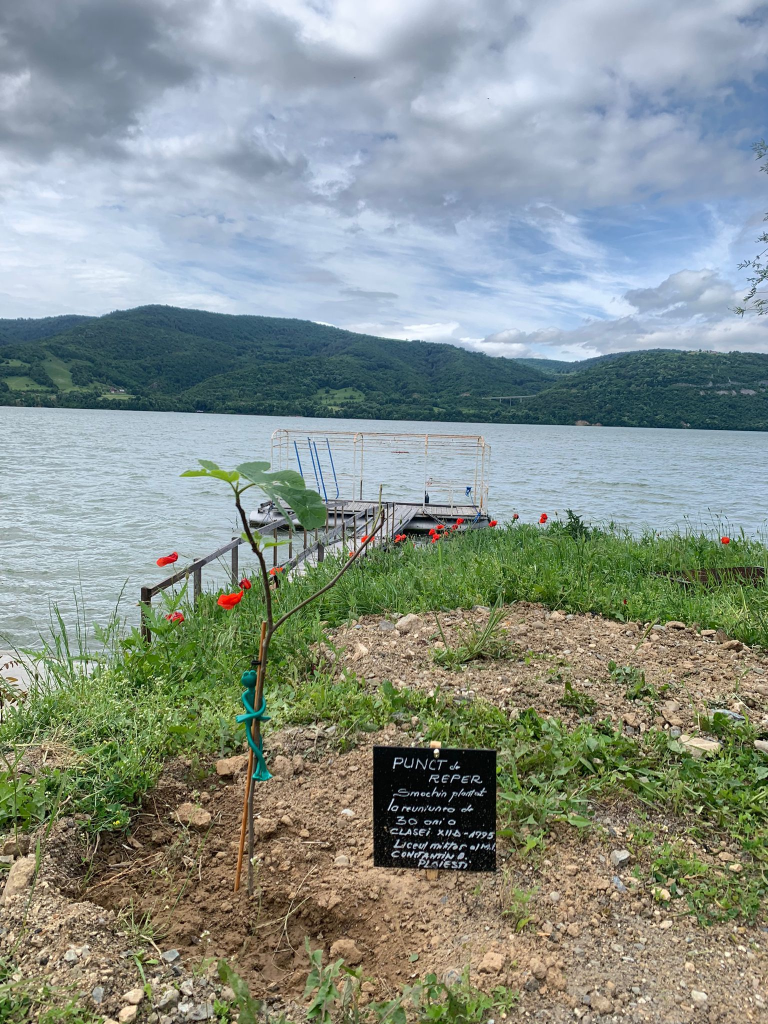
- Community planting initiatives
- Green barriers and tree planting
4. Responsible Consumption
Water: efficient irrigation systems with no waste; water-saving systems (our bathrooms have efficient showers instead of bathtubs; rainwater collection for watering plants)
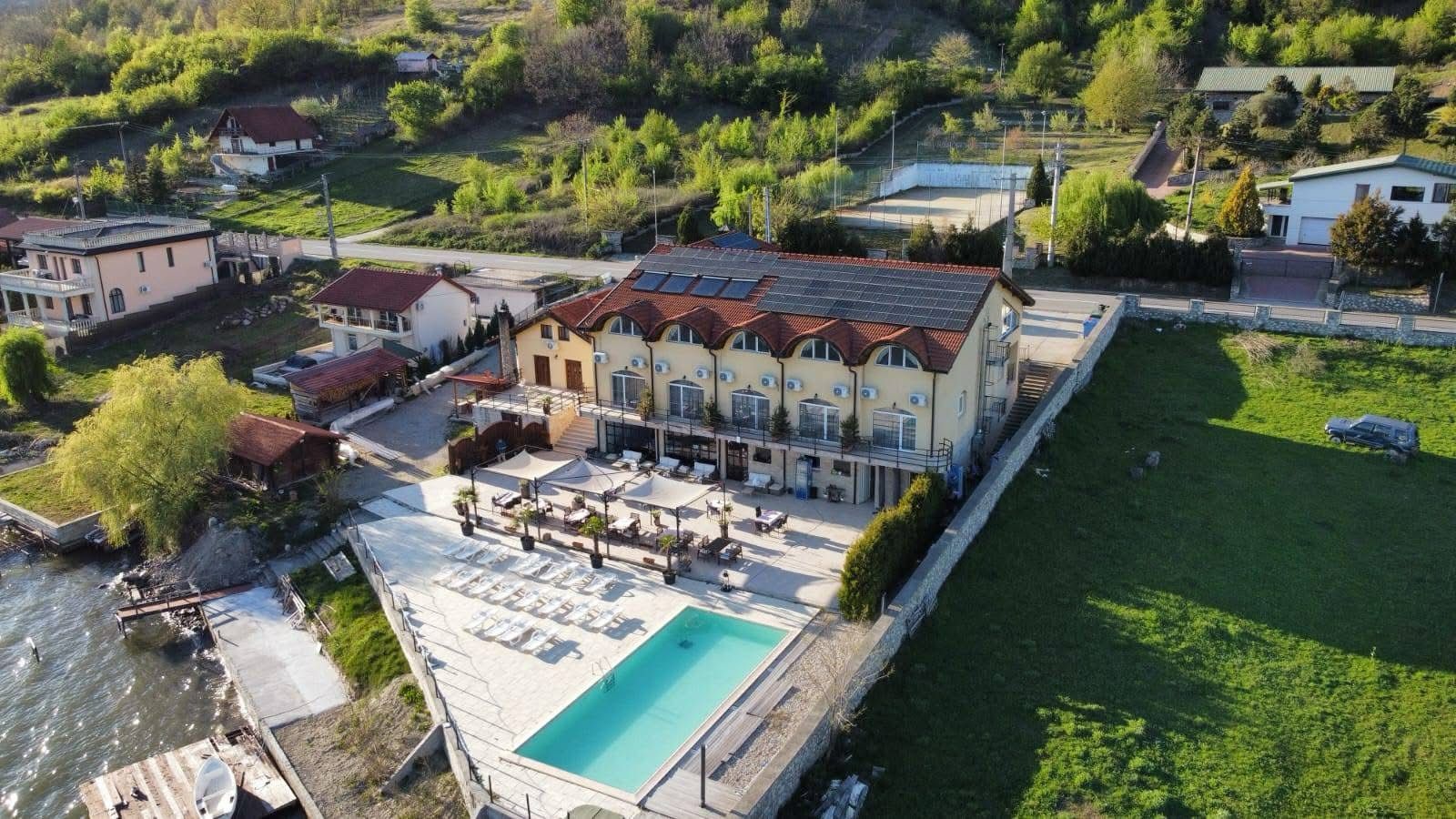
Energy: solar panels, LED lighting, thermal insulation
5. Respect for Wildlife
- Wild animals are not fed
- Nests and habitats are not disturbed or destroyed (Hermann’s tortoise, horned viper)
6. Eco-Friendly Tourist Behavior
We implement the concept: “Leave No Trace.” Every hike and mountain trail begins with guidance and information provided by members of the Mai Danube Guesthouse team.
- Prevention and intervention equipment for emergency situations
- Simple “nature rules” guides
- Organization of eco-tours (guided hikes, flora and fauna observation)
7. Waste Management During Hiking Activities
We recommend and monitor responsible behavior among tourists participating in our guided hikes. We follow the principle: “Whatever you bring in, you take back out.”
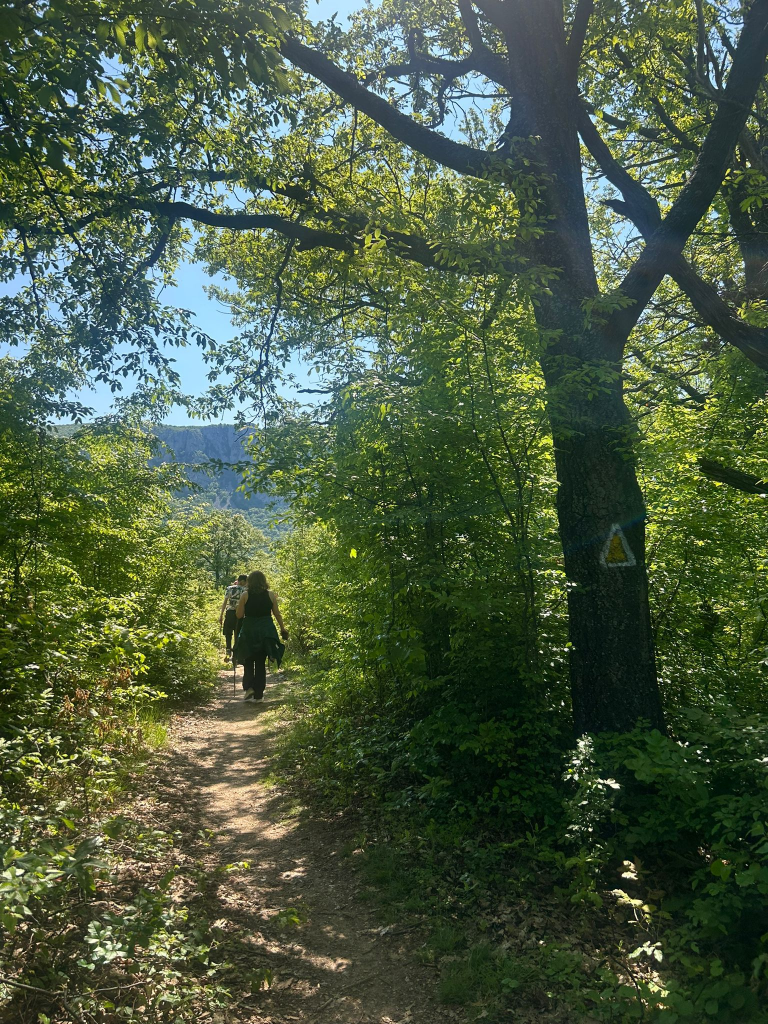
We strictly follow marked trails in order to protect flora and fauna, avoid disturbing animal habitats, and prevent erosion and vegetation damage.
8. Fire Management
Fires are allowed only in specially designated and controlled areas within the guesthouse property, never in nature.
9. Respecting Silence
- Reduced noise levels help protect wildlife
10. Supporting Local Consumption
We support the local community through local products and local guides.
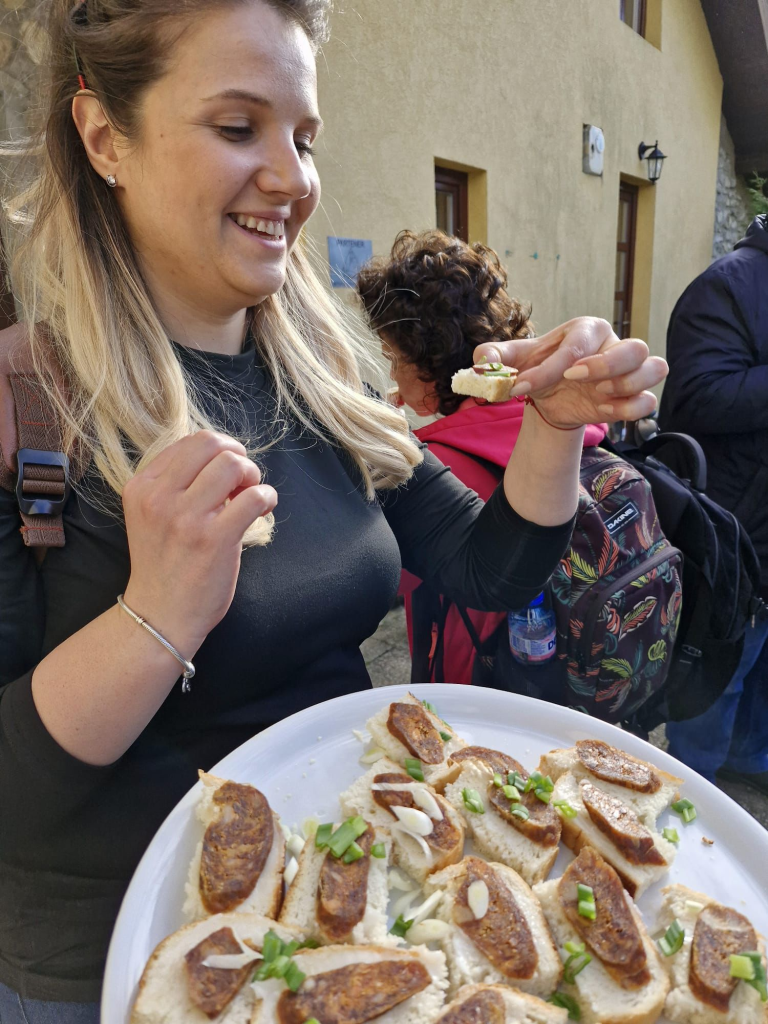
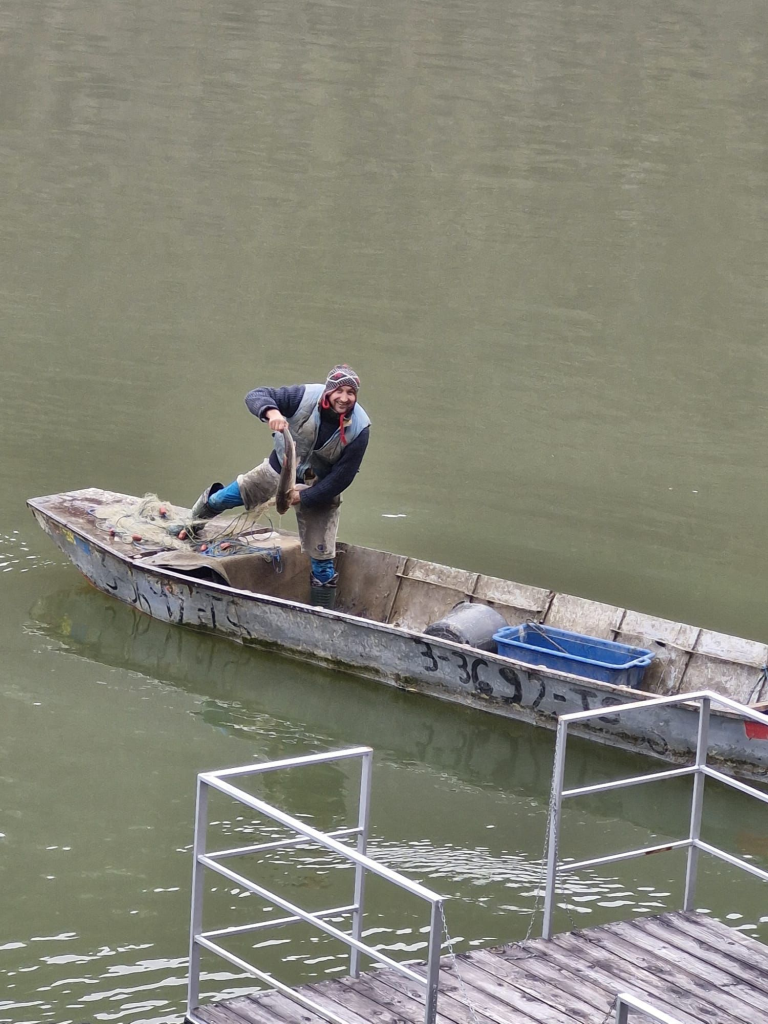
- Food products sourced from the region (Danube fish, local vegetables, homemade dairy and meat products purchased from the community)
- Reduced logistics chains → lower CO₂ emissions
11. Transportation
Whenever distances allow, we encourage and recommend walking, cycling, and kayaking as low-impact transportation alternatives.
12. Local Collaboration
We collaborate with authorities, NGOs, and protected area administrations (Iron Gates Natural Park, the Habitat and Species Monitoring Center in Eșelnița), including participation in environmental clean-up actions.
The regenerative dimension goes beyond simply “doing no harm” (sustainability) and aims at the active restoration of ecosystems and the local community in the Danube Gorge.
In practice, the goal is for the area to become healthier than it was before — a principle we actively pursue both at Mai Danube Guesthouse and as members of the Discover the Danube Boilers NGO Association.
For us, in short, “regenerative” means:
- Not only reducing impact → but creating positive impact
- Not only conserving → but restoring biodiversity
- Not only using local resources → but strengthening the local economy and culture
Major Risks in the Area (To Be Avoided)
- Uncontrolled tourism → trail degradation
- Pollution and waste discharge into the Danube
- Chaotic construction development
- Deforestation or uncontrolled burning
- Food waste
In conclusion, protecting the Danube Gorge is not solely the responsibility of authorities — it is a distributed system of responsibility, a value we clearly embraced from the very first day we opened Mai Danube Guesthouse.
Through collective effort, information, and education, we positively influence the environment in the following ways:
- Residents → protect the environment daily
- Entrepreneurs → educate and implement sustainable solutions
- Tourists → minimize impact and support regeneration through responsible participation
In practice, every household and guesthouse becomes an active “micro-ecosystem,” and at Mai Danube Guesthouse we are fully aware of and committed to this mission.
Out of love and respect for nature, we invite and encourage everyone to do the same: residents of Eșelnița village, entrepreneurs, and tourists alike.
Thank you!


About Post Author